Vitamin C is an essential part of skin health both as a small molecular weight antioxidant and as a critical factor for collagen synthesis. Vitamin C contributes to photoprotection, decreases photodamage, and is needed for adequate wound healing. Oral supplementation with vitamin C may help prevent UV-induced damage, especially in combination with supplemental vitamin E. Dietary vitamin C may also provide photoprotection, but the extent of the protective effects will require additional research.
Although vitamin C appears to benefit dry skin and may support wound healing, further research is needed to determine the effect of vitamin C on both. Lastly, the greatest effects of vitamin C supplementation are seen when it is combined with other micronutrients, such as vitamin E and zinc. UV irradiation has been suggested as a potent force in skin aging (Takema et al., 1996). Several amino acids have been shown to prevent skin aging by their stimulation of dermal collagen synthesis.

Proline and its precursors, glutamate, significantly increase collagen synthesis in human dermal fibroblasts (Karna et al., 2001) . Moreover, recent studies suggest that dietary silk protein, sericin, improves epidermal hydration in parallel with increased levels of filaggrin in an animal model of atopic dermatitis (Kim et al., 2012) . Vitamin D is synthesized from 7-dehydrocholesterol by two key enzymes, 25-hydroxylase and 25-hydroxyvitamin D3 1-α-hydroxylase , in human skin following UVB irradiation (Bikle et al., 2004; Park et al., 2013b).

Combined activity of both enzymes is critical in forming active vitamin D, 1,25 dihydroxy vitamin D3 . In particular, CYP27B1, which is expressed in keratinocytes, is under the control of signals that occur in bacterial infection or injury (Bikle et al., 2004; Bikle et al., 2010). Activated 1,25D3 binds to the vitamin D receptor to recruit transcriptional coactivator proteins such as steroid receptor coactivator 3 (Bikle et al., 2007; Bikle et al., 2010) (Fig. 4). In both cell culture and animal systems, treatment with 1,25D3 significantly increases CAMP expression via VDR-dependent mechanism, stimulating innate immunity (Gombart et al., 2005) . In addition to antimicrobial activity, vitamin D3 significantly inhibits the proliferation of keratinocytes . As such, topical treatment with 1,25D3 has been used to treat skin diseases linked to hyper-proliferation of keratinocytes, including psoriasis .

Vitamin D appears to modulate inflammation, angiogenesis, and wound healing through regulation of CAMP production (Frohm et al., 1997; Koczulla et al., 2003). From converting food to energy, to combating cholesterol and even depression. For example, B1 is full of antioxidants to increase circulation and prevent signs of aging. B5, B6, and Folic Acid contribute to healthy skin in different ways. The proteins in B12 repair dry skin and maintain hydration. A B-Complex supplement provides the B vitamins needed for proper skin health.

Higher intakes of dietary vitamin C have been correlated with a decreased risk of dry skin , suggesting that ascorbic acid may have effects on trans-epidermal water loss . In cell culture models, addition of vitamin C promotes the synthesis of barrier lipids, which would establish a functioning stratum corneum with low water permeability . One study using topical vitamin C in human subjects correlated its use with decreased skin roughness . However, another study suggested vitamin C increased TEWL when applied to the skin . Thus, the effects of vitamin C on skin dryness are not clear. Glucose is the primary source of energy for most mammalian cells, including keratinocytes (Spravchikov et al., 2001).

The antioxidant properties of vitamin C and its role in collagen synthesis make vitamin C a vital molecule for skin health. Dietary and topical ascorbic acid have beneficial effects on skin cells, and some studies have shown that vitamin C may help prevent and treat ultraviolet -induced photodamage. However, the effects of vitamin C in the skin are not well understood due to limited research. This article discusses the potential roles of vitamin C in the skin and summarizes the current knowledge about vitamin C in skin health. Symptoms of vitamin C deficiency appear once plasma concentrations of ascorbic acid drop below 10 micromolar (μM), a level that can be prevented by consuming as little as 10 mg of ascorbic acid daily .
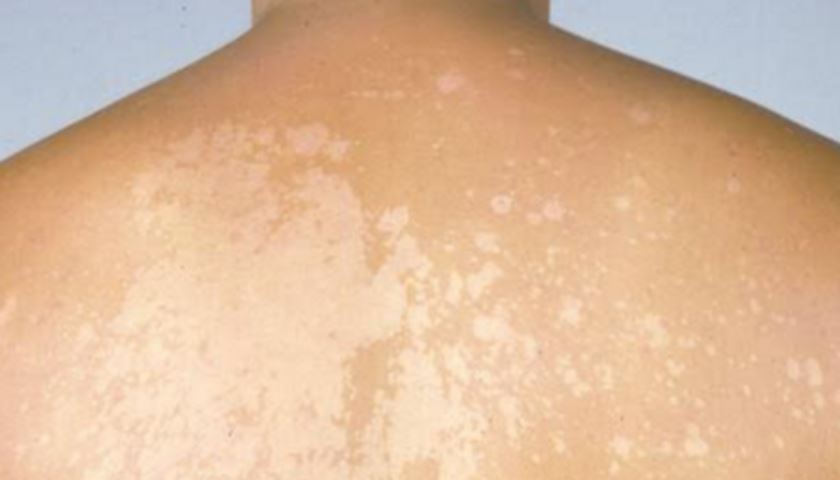
Cutaneous manifestations of scurvy result from declines in collagen synthesis, leading to disruption of connective tissue and fragility of blood vessels. Early symptoms in the skin include a thickening of the stratum corneum and spots of small subcutaneous bleeding . As scurvy progresses, wound healing is impaired due to the loss of mature collagen, which allows wounds to remain open . Skin lesions caused by vitamin C deficiency are remediated by an adequate intake of vitamin C. Micronutrients, including vitamins and minerals, are not only essential components of skin structure, but they also modulate multiple biological functions.
Although the importance of these micronutrients has been widely characterized, therapeutics utilizing such nutrients have been limited to antioxidants and stimulating wound healing. We've all experienced the uncomfortable feeling of chapped, cracked or dry lips. In fact, it is one of the most common oral health conditions seen during the winter months.
What Vitamin Deficiency Causes Dry Skin Unlike the rest of our skin, our lips do not have oil glands – and they actually lose moisture 3-10 times faster than the skin on the rest of the body, including the face. Overall, dry, chapped lips are not a concerning health issue. However, an oral health professional will always address the presence of dry chapped or cracked lips to ensure there are no other more serious underlying health issues. Topical application of vitamin C, alone or in combination with other compounds, may result in greater photoprotection than oral supplementation because of the more direct route of administration. In one mouse study, topical application of ascorbic acid delayed the effects of chronic high-dose UVB exposure on the skin, including a reduction in skin wrinkling and the development of skin tumors . In pig models, topical application of vitamin C reduced the number of sunburned cells, decreased erythema response, and reduced DNA damage induced by UVA exposure .
Topically applied combinations of vitamin C and vitamin E are more effective in preventing photodamage than either vitamin alone. In particular, this combination of antioxidant vitamins decreased the immunosuppressive effects of UV exposure , increased MED, and decreased cell damage . There are a lot of reasons why you might have dry and cracked heels. Cracks affect only the top layer of skin and don't cause pain for some people but if they get into the deeper layers of your skin, it becomes painful. Now, let us all take a closer look how vitamin deficiencies lead to cracked heels and other potential causes and your treatment options.

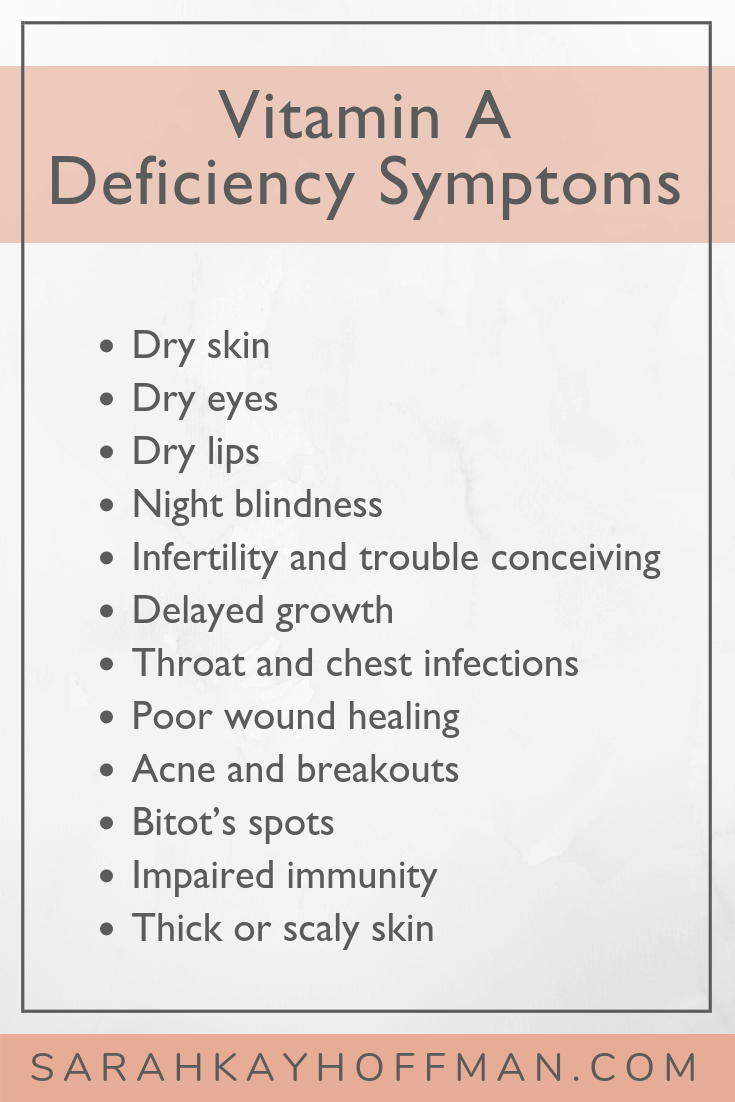
Even if you're avoiding sugary foods and limiting your alcohol consumption, it's important to make sure you're eating a well-balanced diet. Skin requires nutrients to stay healthy, and if you're not getting enough vitamin D, vitamin A, niacin, zinc, or iron, you can develop dry skin, according to the AAD. You can also take the guesswork out of your diet by incorporating supplements for dry skin.

Vitamin E is a lipid-soluble, membrane-bound antioxidant in multiple tissues . Since the level of vitamin E can be depleted even after exposure to a single dose of UV irradiation, it is a sensitive oxidative stress maker in human skin (Thiele et al., 1998). Vitamin E significantly suppresses collagen breakdown by inhibiting MMP-1 expression (Ricciarelli et al., 1999) (Fig. 5). Interestingly, topical application of vitamins C (15%) with E (1%) showed a synergistic protective effect from UV irradiation-induced erythema, compared with either vitamin alone (Lin et al., 2003).

Vitamin E deficiency in animal has been reported to cause skin ulcerations (Machlin et al., 1977) and changes in skin collagen cross-linking (Igarashi et al., 1989) . Habits or conditions that keep the corners of the mouth moist might include chronic lip licking, thumb sucking , dental cleaning (e.g. flossing), chewing gum, hypersalivation, drooling and mouth breathing. The term "cheilocandidiasis" describes exfoliative lesions of the lips and the skin around the lips, and is caused by a superficial candidal infection due to chronic lip licking. Less severe cases occur during cold, dry weather, and is a form of chapped lips. Individuals may lick their lips in an attempt to provide a temporary moment of relief, only serving to worsen the condition.

There are other causes, too, says Tina Svetek, Cosmetic Scientist at the award-winning School of Natural Skincare. 'Ill-fitting shoes, as well as low levels of hydration, can all contribute to dry, calloused skin that starts to crack. Several medical conditions also cause cracked heels – for example, diabetes, fungal infections, psoriasis, eczema and obesity.
However, even in healthy individuals, cracked heels can be quite common,' she says. Studies on the effect of vitamin C supplementation on wound healing have reported somewhat mixed results. Data from laboratory animals and humans show that vitamin C deficiency results in poor wound healing, and vitamin C supplementation in deficient individuals shows significant benefits (31, 59-61).

This suggests that vitamin C may only affect specific facets of the wound healing response. Topical ascorbic acid has not been properly evaluated prior to or during wound healing in humans. (L-ascorbic acid) acts as an antioxidant like the first two vitamins mentioned, this one can help in preventing cellular damage and making a collagen for your body.

Our bodies store a very big amount of vitamin C in our skin cells to protect us from environmental damage. Having vitamin C deficiency makes your skin dry and scaly, cracking, and easy to bruises. Foods that are rich in vitamin C are guavas, kiwifruit, oranges, strawberries, broccoli, and brussels sprouts, these are just some of vitamin C rich foods.
Minerals, including zinc, copper, and selenium, also have an important role in maintaining skin health. Its main function is to protect the skin against photodamage by absorbing UV irradiation, limiting penetration of radiation into skin (Mitchnick et al., 1999). Co-treatment with zinc and vitamin C exhibits antimicrobial activity that helps to clear bacteria in acne (Mitchnick et al., 1999) . Moreover, zinc deficiency has been reported in patients with epidermolysis bullosa (Fine et al., 1989) .
Although patient with AD also showed a significant decreased level of zinc, zinc supplementation does not result in clinical improvement of AD (Ewing et al., 1991) . Skin is the first line of defense for protecting our bodies against external perturbations, including ultraviolet irradiation, mechanical/chemical stress, and bacterial infection. Nutrition is one of many factors required for the maintenance of overall skin health. An impaired nutritional status alters the structural integrity and biological function of skin, resulting in an abnormal skin barrier.

In particular, the importance of micronutrients for skin health has been highlighted in cell culture, animal, and clinical studies. These micronutrients are employed not only as active compounds in therapeutic agents for treating certain skin diseases, but also as ingredients in cosmetic products. Here, the author describes the barrier function of the skin and the general nutritional requirements for skin health.
The goal of this review is to discuss the potential roles and current knowledge of selected micronutrients in skin health and function. From chapped lips to weak bones, there are several signs that our bodies give us in order to indicate vitamin deficiencies. While weak teeth and bones indicate vitamin D deficiencies, chapped lips and bleeding gums are symbolic of vitamin B and vitamin C deficiency respectively. Quite painful and tricky to get rid of, cracked heels are winter staples that occur due to lack of moisture in the air and the body.

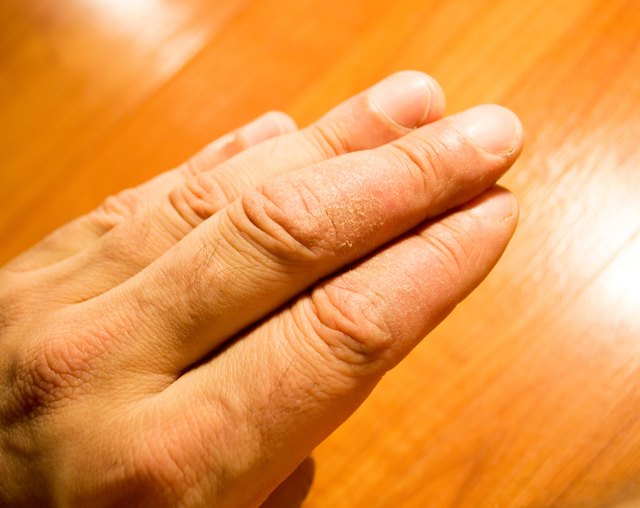
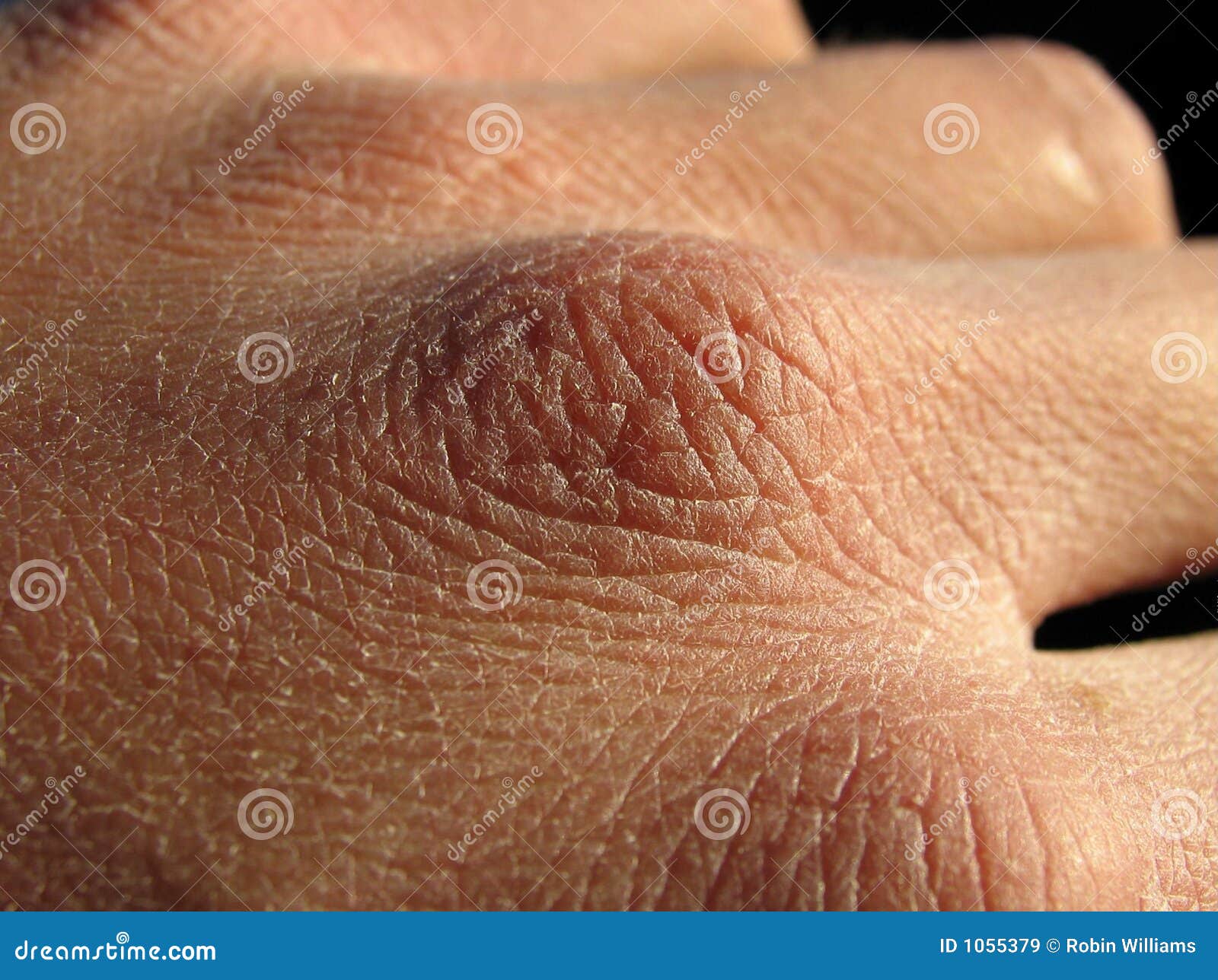
Even though there are several reasons why one might have cracked heels, they could also be indicative of vitamin deficiencies. If you have severely dry skin, a vitamin deficiency and/or mineral deficiency may be to blame 6. If you have dry cracked hands, vitamin deficiency may be to blame, again 6.

If you're not getting enough of certain nutrients, like vitamin A, vitamin C and zinc, it can take a toll on your body and eventually manifest as uncomfortable skin conditions 8. If the skin on your fingertips is suddenly flaky, you may have a vitamin B deficiency. B vitamins such as niacin and biotin are extra important for healthy skin, says Bank.

Vitamin A, vitamin B1 , vitamin B2 and vitamin B3 all help to maintain healthy skin, according to Harvard Health Publishing. Vitamin C also helps make the collagen that helps with healing wounds, which include the cracks that can develop in dry skin. Additionally, the Harvard T.H. School of Public Health notes that the mineral zinc is necessary to create new skin cells and repair damaged ones. The stability of vitamin C in topical solutions is a concern, as exposures to air, heat, and/or light may slowly degrade vitamin C. Although the natural form of vitamin C, ascorbic acid, is the most effective for topical administration , it is the least stable in solution. However, stable synthetic derivatives, such as ascorbate phosphate, are considered to have limited permeability and function in skin .

Yet, the stability of topical vitamin C solutions may be increased by the addition of other antioxidant compounds (16-19). This surface level of your skin consists of dead skin cells and oils, cemented together to form a protective layer. They cover the living skin cells underneath to protect them from infection, dehydration, chemicals, and other hazards.

These dead skin cells also retain water to keep your skin healthy and hydrated, which helps prevent dry skin. Like zinc and vitamins C and E, copper with peptides also serves as an antioxidant, protecting skin from damage that is caused by an UV light-induced increase in free radical levels (Pickart et al., 2012). Furthermore, copper is known to stimulate the maturation of collagen, thus is critical in improving skin elasticity and thickness . While it also plays a role in melanin synthesis enables pigmentation of skin and hair, steely-hair syndrome is a severe multisystemic disease caused by copper deficiency/abnormal copper metabolism . Since dryness continues to be the number one reason for cracked heels, it is important to keep your skin moisturized. Increasing your water intake is the very first and the most basic step towards hydrating yourself and your skin.
Also, you should exfoliate your skin with a sponge or a luffa and apply creams that contain urea or lactic acid to remove dead skin cells. Lotions, creams, special foot creams and wearing socks regularly can help keep the skin hydrated. You can also use products that are designed specifically for the skin of the heels and apply them every day during night time to pace up the process of healing. When the skin absorbs the sunlight, the reaction with the skin creates vitamin D. The vitamin goes about the body to help with daily function. Vitamin D also prevents and treats eczema, a severe case of dry skin or dermatitis.

A study revealed a higher degree of skin moisture in subjects with more vitamin D. There are actually a bunch of different reasons you might experience cracked heels, from fungal infections to spending too much time wearing flip flops. But did you know that cracked heels can also be a sign of a vitamin deficiency?

It turns out that cracked heels can arise if you're deficient in vitamins C, B-3, or E, as these vitamins are all important to skin health. Ahead, discover the signs of cracked heels due to vitamin deficiency. It is needed for converting food to energy, to work as an antioxidant by scavenging damaging free radicals, and to convert vitamin B6 and folate into active forms. Good sources of riboflavin are milk, spinach, fortified cereal, eggs, and green vegetables.


No comments:
Post a Comment
Note: Only a member of this blog may post a comment.